

Article: Signs of Late Summer 🌾
Signs of Late Summer 🌾
There is a lot happening in the British countryside at this time of year.
August is when the landscape starts to shift. The bright greens of early summer are beginning to soften, fields are turning golden and the hedgerows are becoming heavy with berries and seeds.
It is still very much summer, but there are little signs everywhere that the season is moving on.
The harvest begins
Across the countryside, August is an important time for harvesting.
Fields of wheat, barley and oats begin to change from green to golden as the crops ripen, and you may see combines working their way across the fields on warm, dry days.
There is something very familiar about the sight of freshly harvested fields, with large round bales of straw appearing across the landscape.
For farmers, this is an important part of the agricultural year. For the rest of us, it is one of those unmistakable signs that summer is progressing.
The harvest isn't limited to farmland either. In gardens and allotments, tomatoes, courgettes, beans, berries and herbs are all producing their crops, with many people enjoying the rewards of what they planted earlier in the year.

Hedgerows full of colour
The hedgerows are also changing.
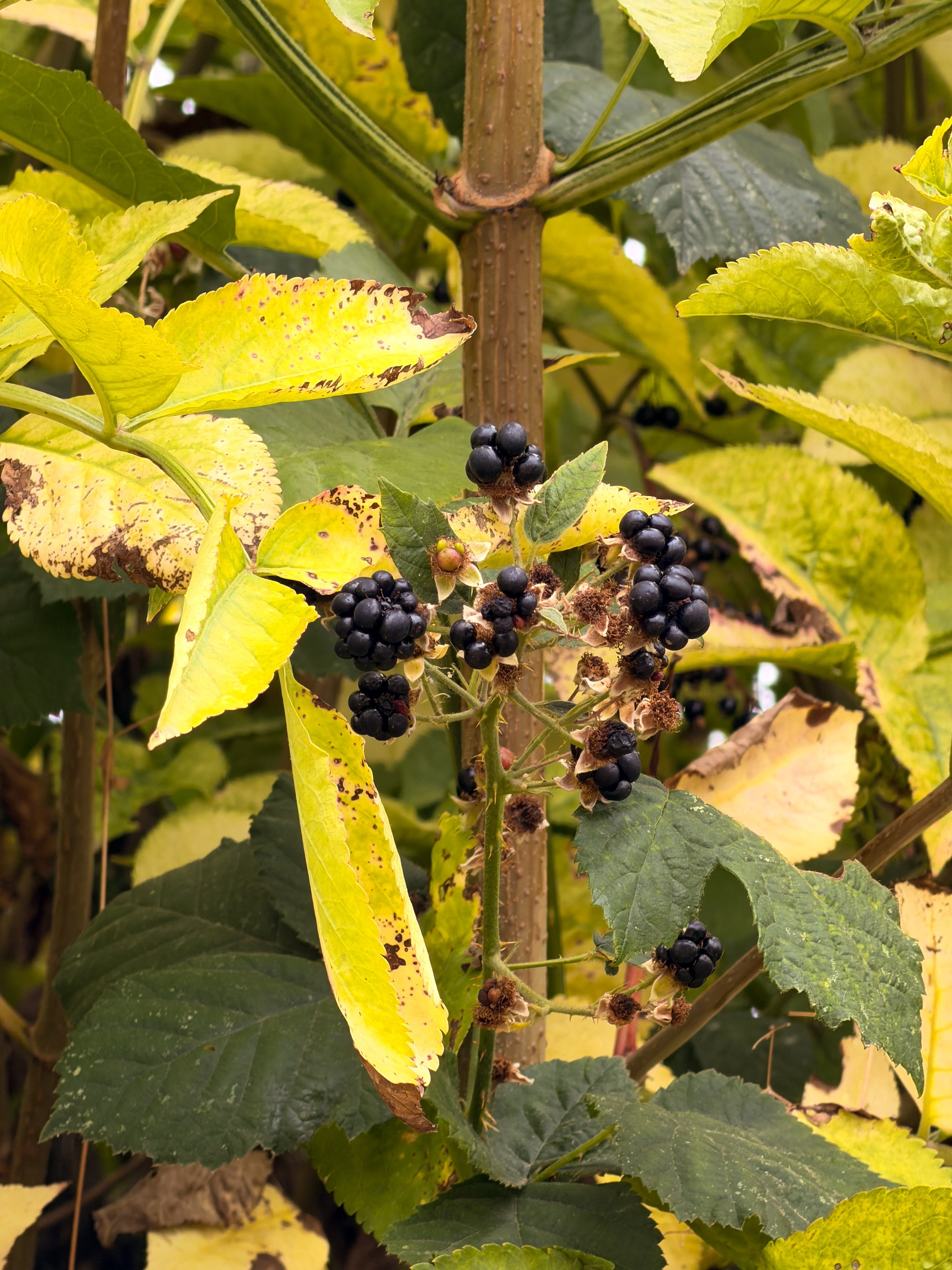
Blackberries are beginning to ripen, elderberries are darkening and rosehips are starting to develop amongst the leaves.
Look closely and you'll find a mixture of colours — deep reds, purples, greens and almost-black berries alongside the fading flowers and grasses.
These hedgerows are incredibly important for wildlife, providing food and shelter for birds, insects and small mammals.
It's a good reminder that even as some of the flowers begin to disappear, the countryside is still full of life.

Wildlife in late summer
August is a busy time for British wildlife.
Young birds are becoming more independent, butterflies and bees are still making the most of flowering plants, and hedgehogs, squirrels and other small mammals are taking advantage of the abundance of food available at this time of year.
If you spend time walking through the countryside, you might notice more birds feeding amongst hedgerows or hear grasshoppers and crickets in the long grass.
And then there are the bees.
With many summer flowers still providing nectar, gardens, wildflower patches and hedgerows can be particularly active with pollinators during warm August days.
Leaving some flowering plants in the garden for as long as possible can provide an important food source before the availability of flowers begins to reduce later in the year.

The colours begin to change
The countryside doesn't suddenly turn autumnal in August, but you can start to see the first changes.
The intense greens of June and July become softer. Grasses begin to turn golden, seed heads appear and some leaves start to lose their freshness.
There are still plenty of flowers in bloom wild carrot, yarrow, thistles, knapweed and late-summer wildflowers can add colour to roadsides, meadows and hedgerows.
It's this mixture of green, gold, purple and muted tones that gives the late-summer countryside its character.

And then there are the scents
Perhaps one of the easiest ways to notice the changing season is through scent.
Warm grass, sun-baked earth, wild herbs and ripening blackberries all have their own familiar aromas.
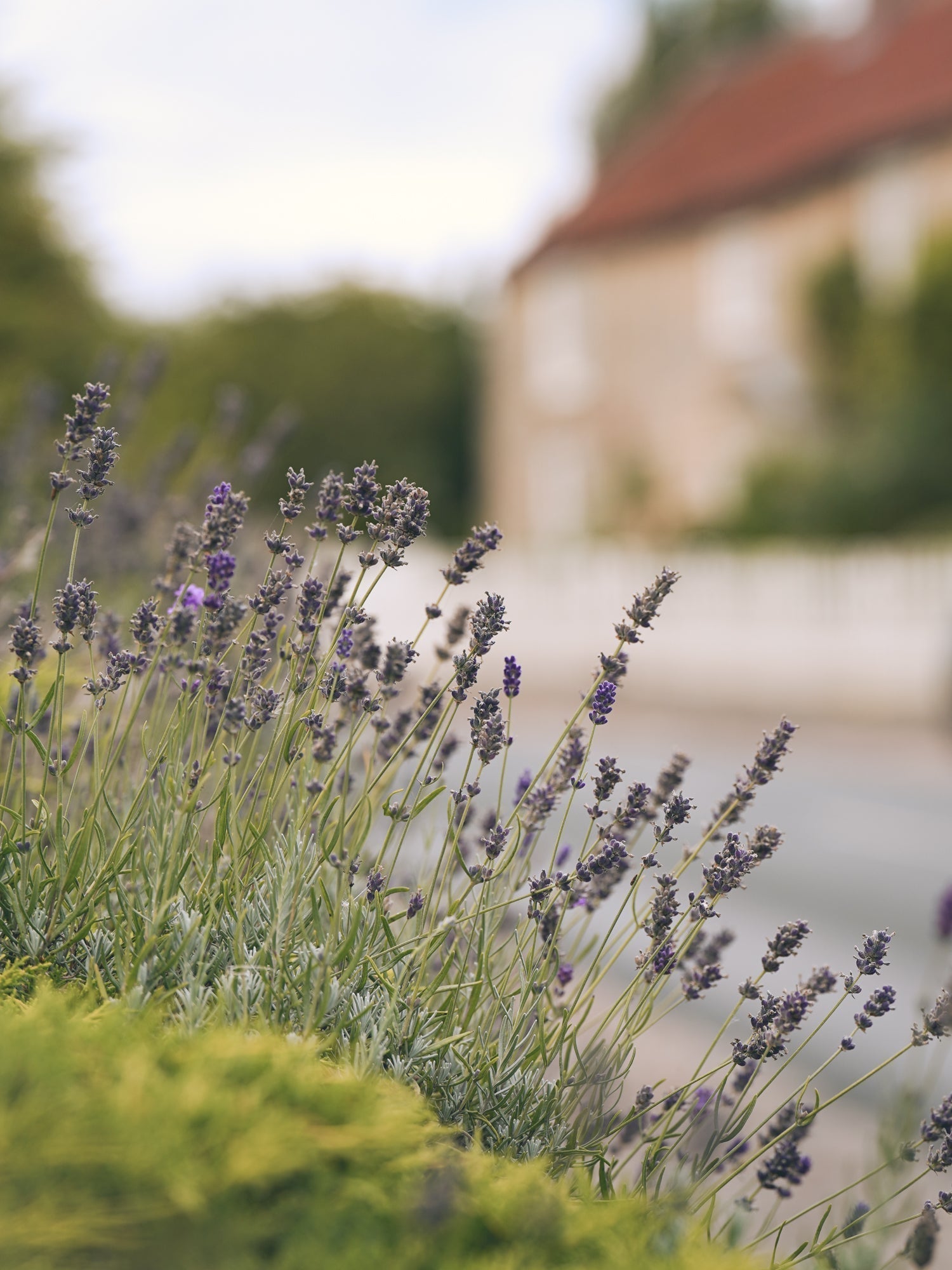
Walk past a hedgerow and you might catch the sweet scent of honeysuckle. Brush against wild herbs and grasses and their fragrance is released. In the garden, lavender is beginning to finish flowering, while tomatoes, herbs and other plants are at their most abundant.
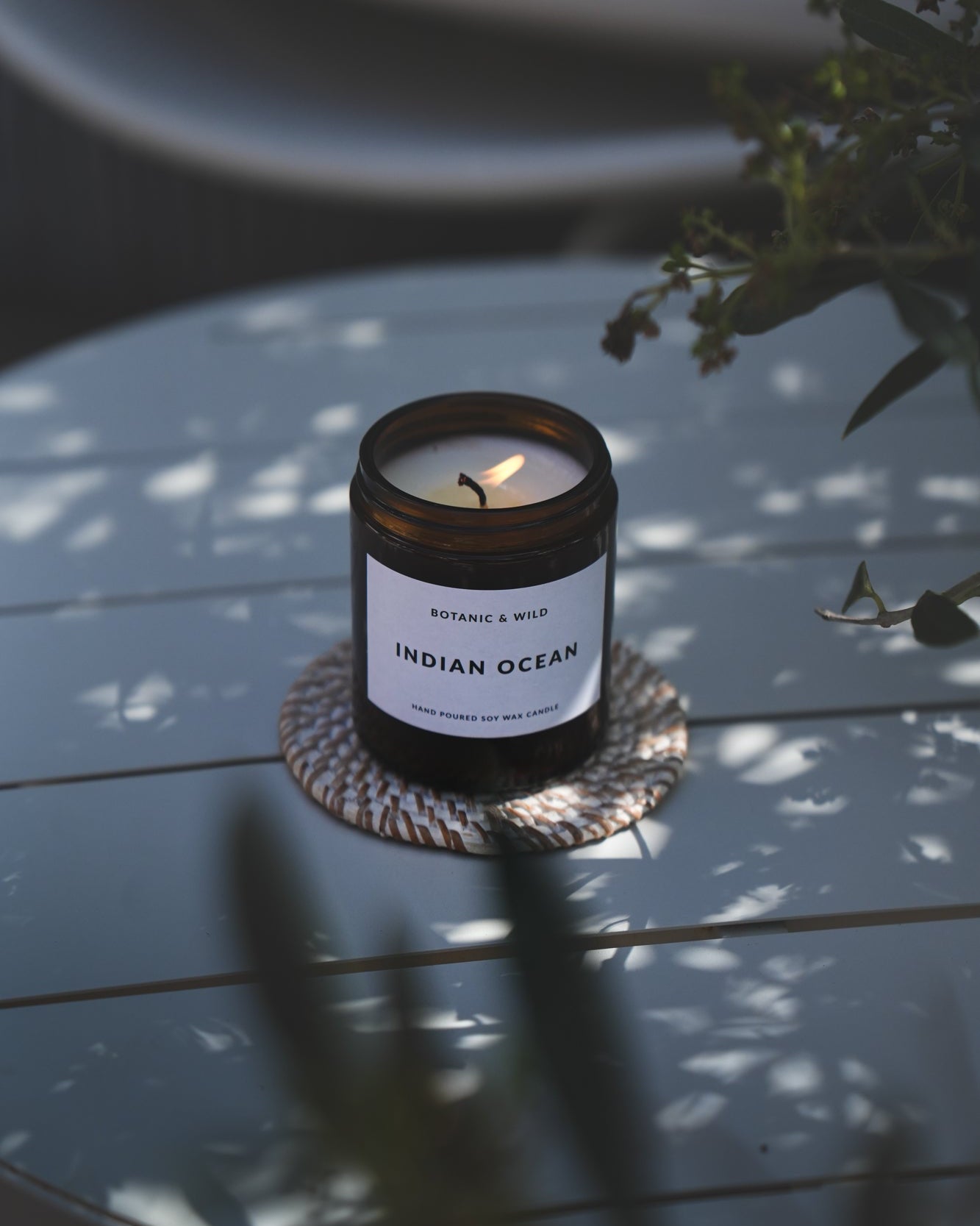
These are the kinds of everyday details that often inspire us at Botanic & Wild.
We don't have to look very far for fragrance inspiration. It's in the garden, the countryside, the coast and the changing seasons around us.

Noticing the season
August can be an easy month to overlook.
We're still enjoying long days and warm weather, but the countryside is already quietly preparing for what comes next.
The harvest is underway. Seeds are forming. Berries are ripening. Wildlife is making the most of the abundance around them, and the first subtle changes in colour are appearing.
You don't have to go anywhere special to notice it.
Take a walk along a country lane, look closely at the hedgerows, stop beside a field or spend a few minutes in the garden.
There is always something changing.
And perhaps that's one of the things we love most about the British countryside - it gives us something different to notice throughout the year.
At Botanic & Wild, we take inspiration from these everyday moments and the natural world around us, creating fragrances that bring a little of that feeling into the home.